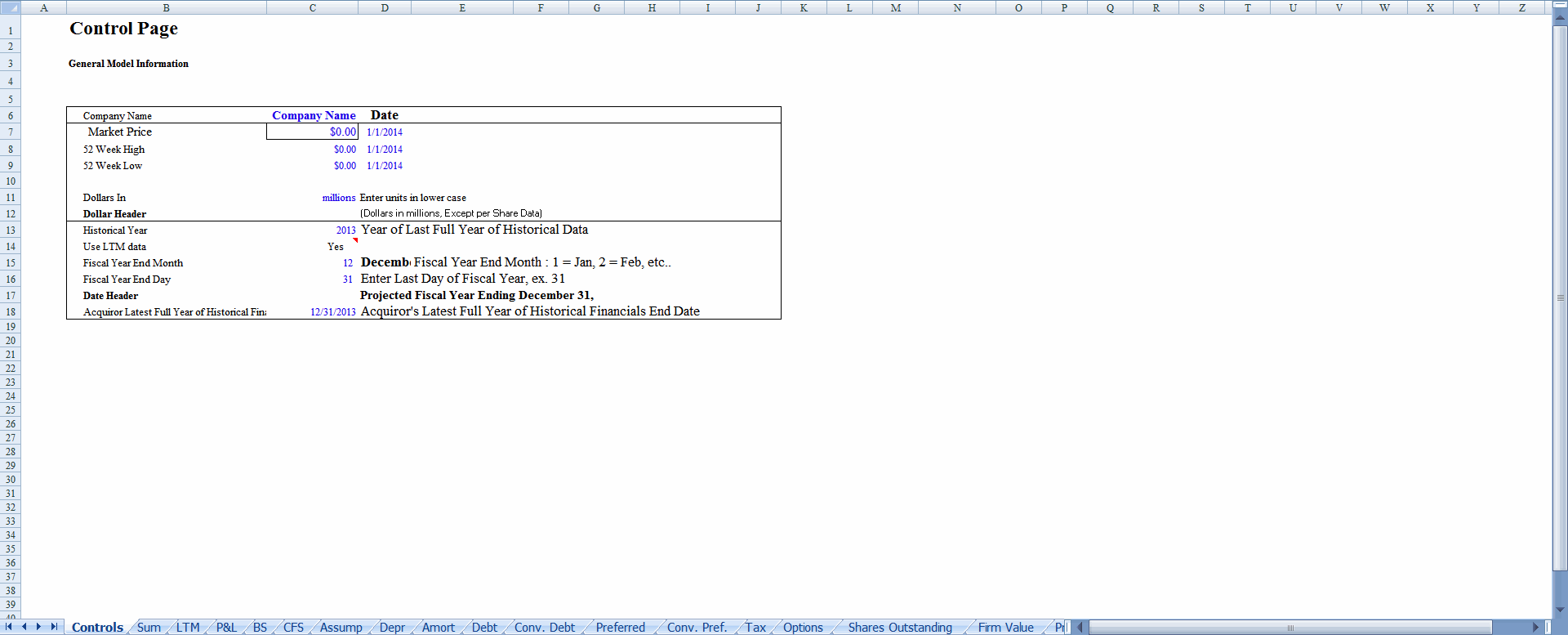
Controls
SetupCentral inputs: company name, fiscal year, currency, scenario toggle, and model-wide switches.
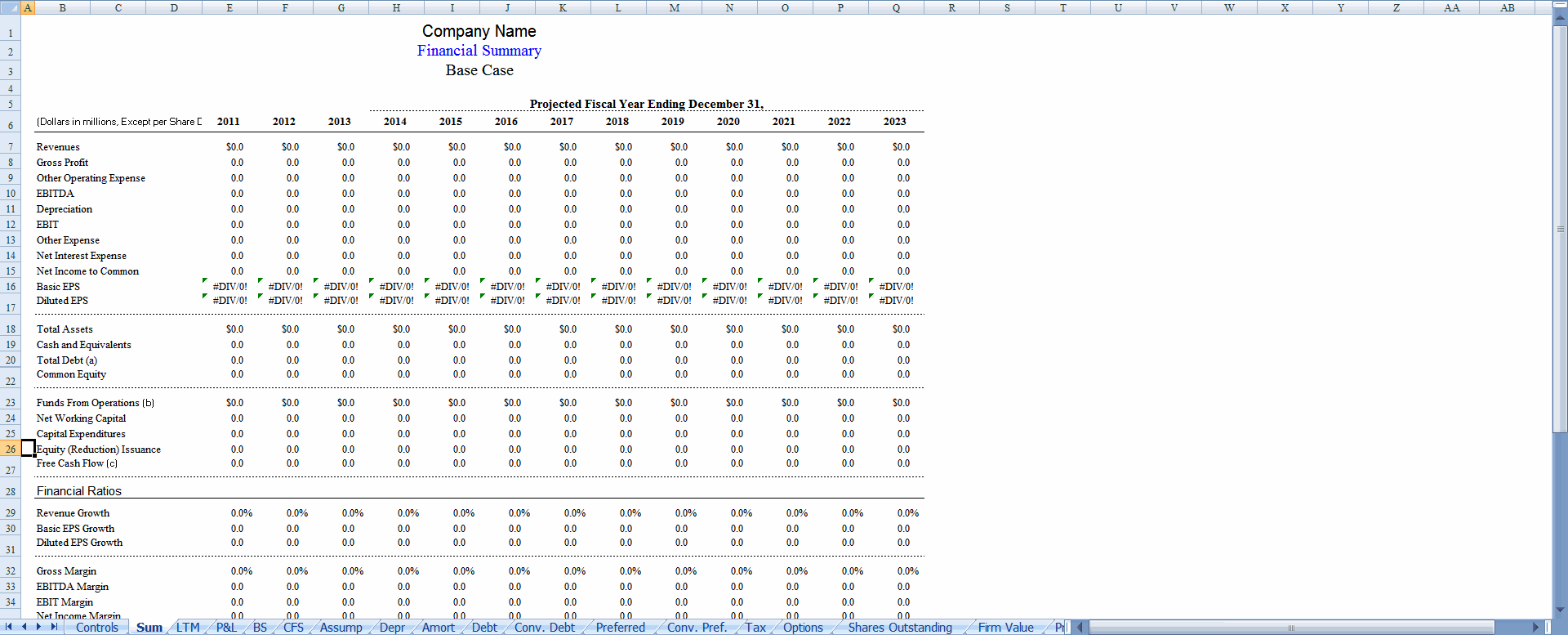
Sum
Summary13-year financial dashboard (income, balance sheet, cash flow, ratios) in one view. Hub sheet for deal review — Revenue, Gross Profit, EBITDA, EPS, Free Cash Flow and 10+ ratios across all projected years.
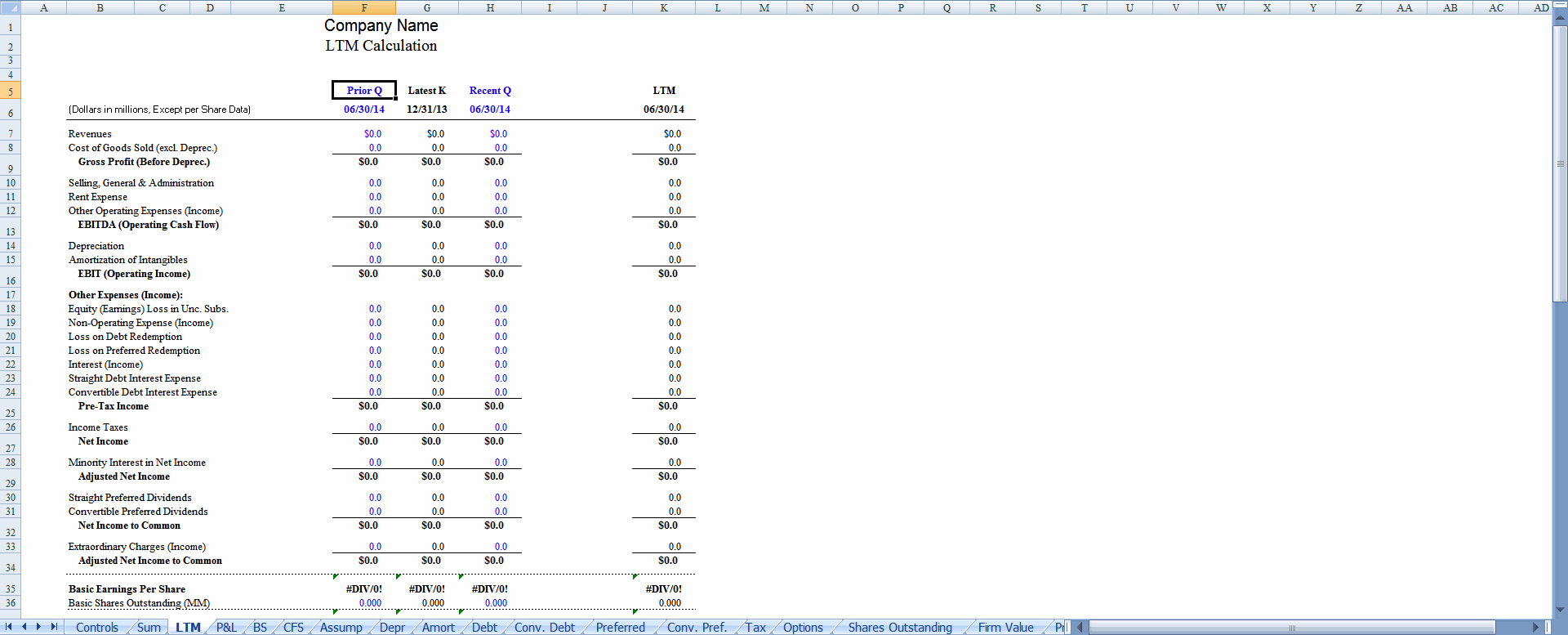
LTM
SummaryLast-twelve-months stub: quarterly interpolation to calculate trailing revenue, EBITDA, and free cash flow for deal entry metrics.
P&L
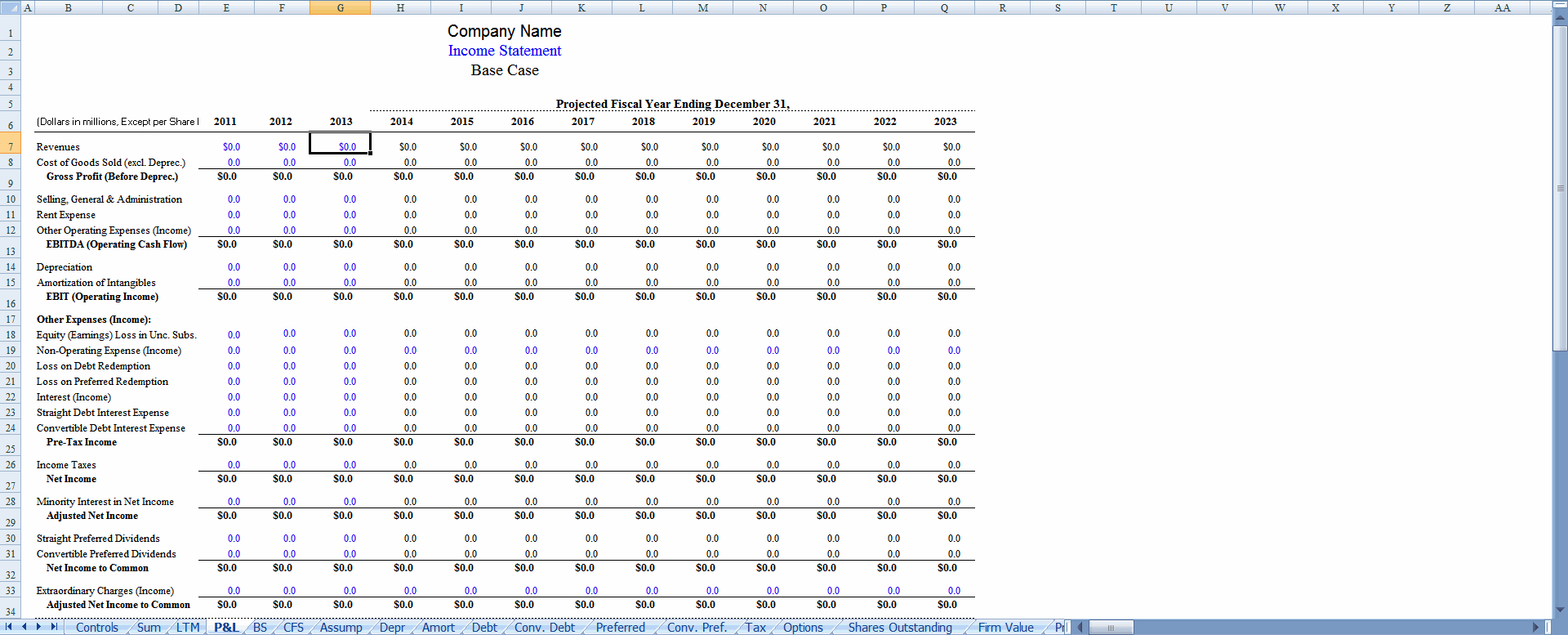
FinancialsFull income statement: Revenue → COGS → Gross Profit → SG&A → Rent → Other OpEx → EBITDA → D&A → EBIT → Interest → Taxes → Net Income to Common, with EPS.
BS
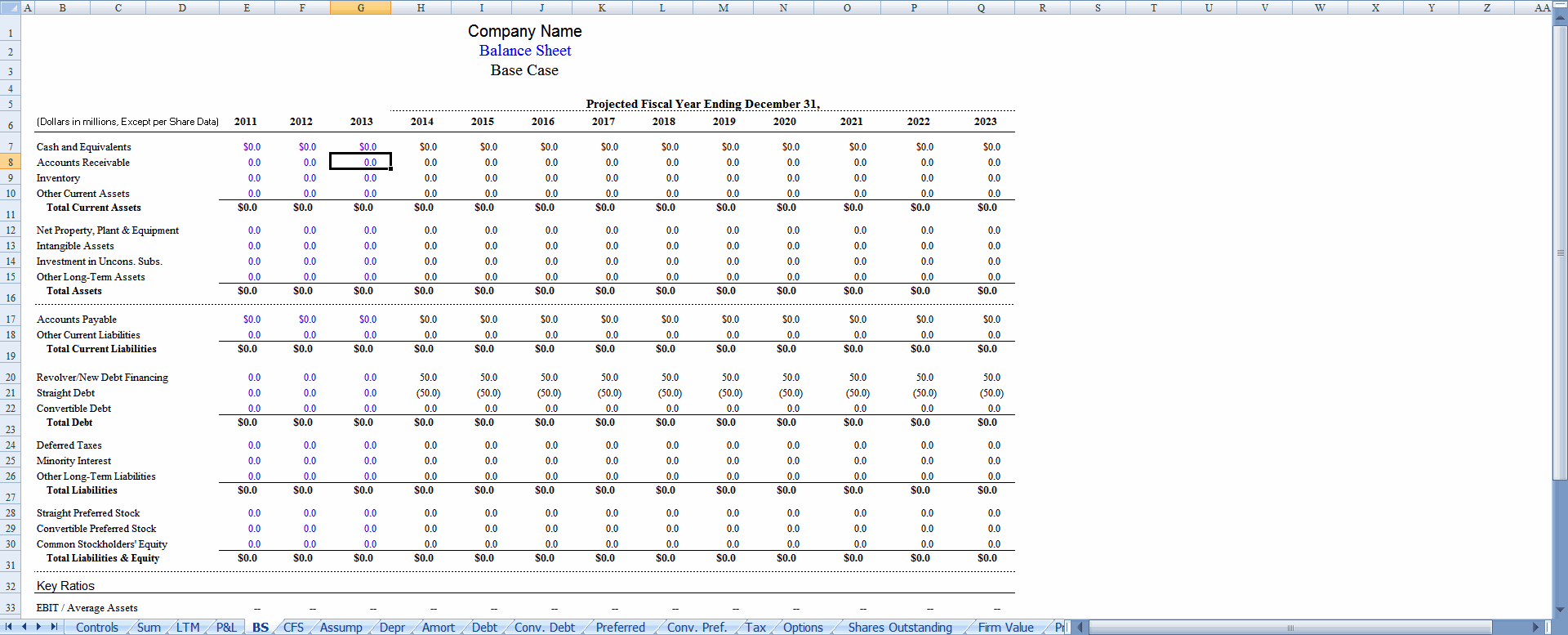
FinancialsComplete balance sheet: current assets, PP&E, intangibles, all debt tranches, deferred taxes, minority interest, preferred equity, and common equity roll.
CFS
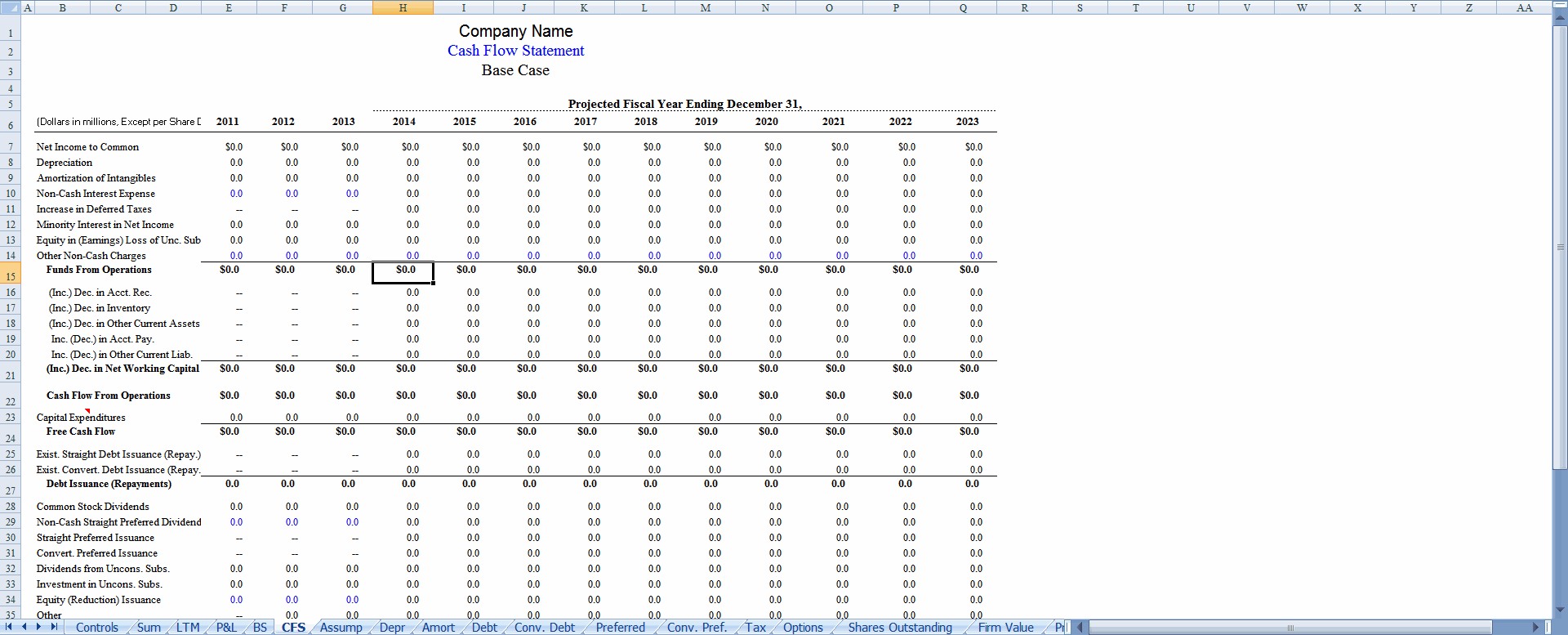
FinancialsCash flow statement — operating (indirect method), investing (capex, acquisitions), and financing (debt, equity, dividends); levered and unlevered FCF derivation.
Assump
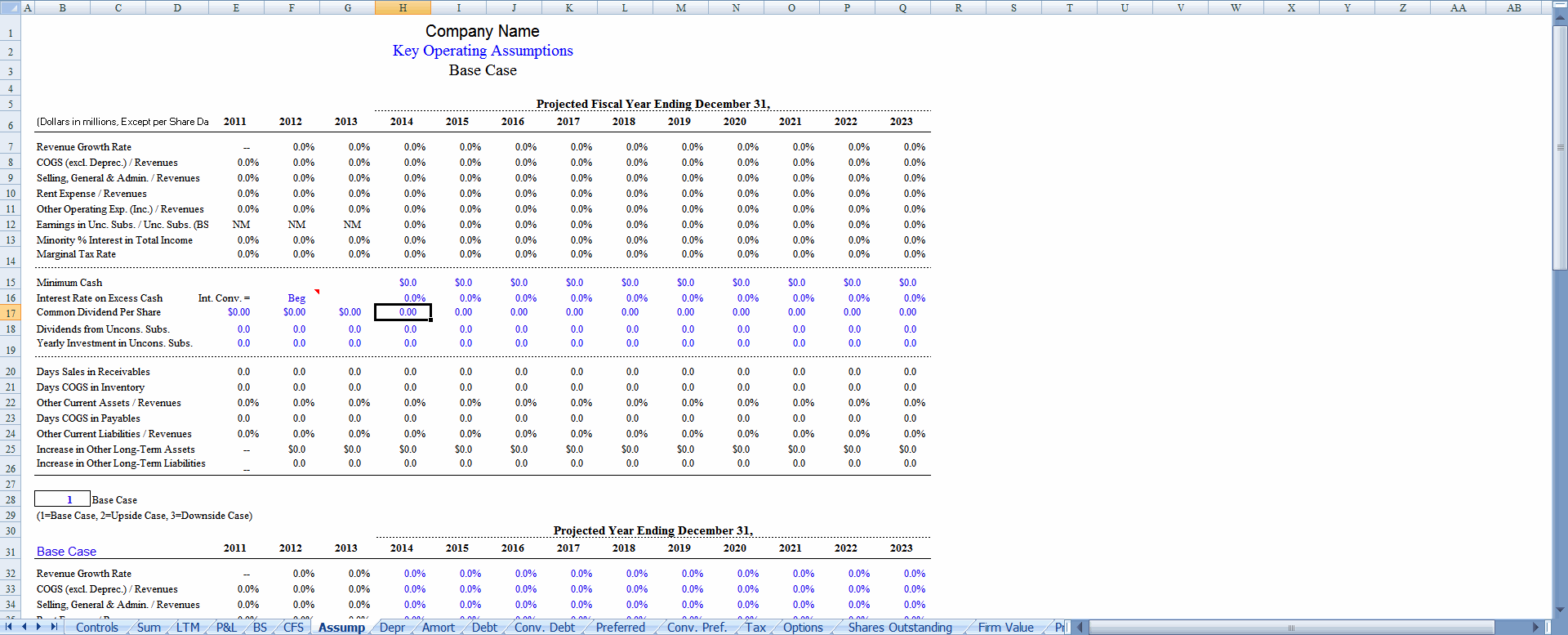
SetupAll operating assumptions: revenue growth, COGS%, SG&A%, rent%, other opex%, marginal tax rate, working capital (DSO, DIO, DPO), plus 3-scenario toggle (Base / Upside / Downside).
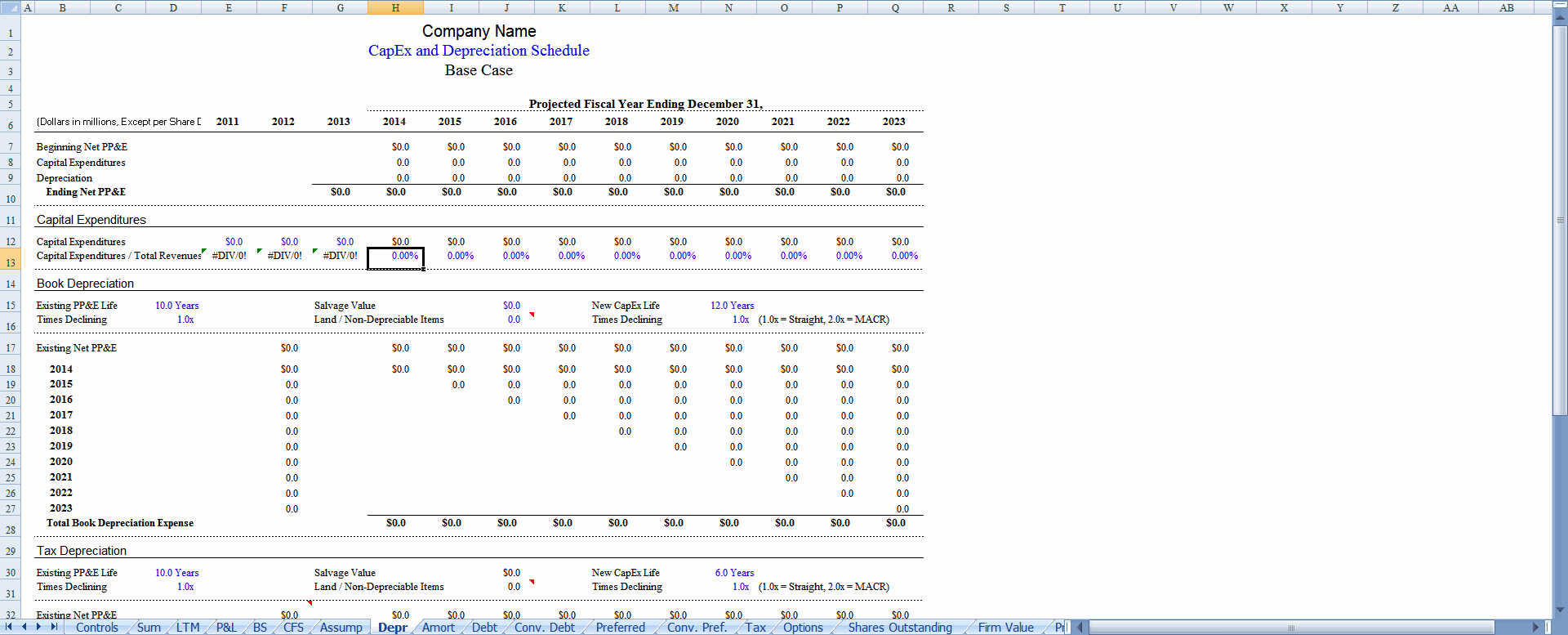
Depr
SupportingPP&E rollforward by asset class — opening balance, capex additions, useful lives, annual depreciation charges, and net book value.
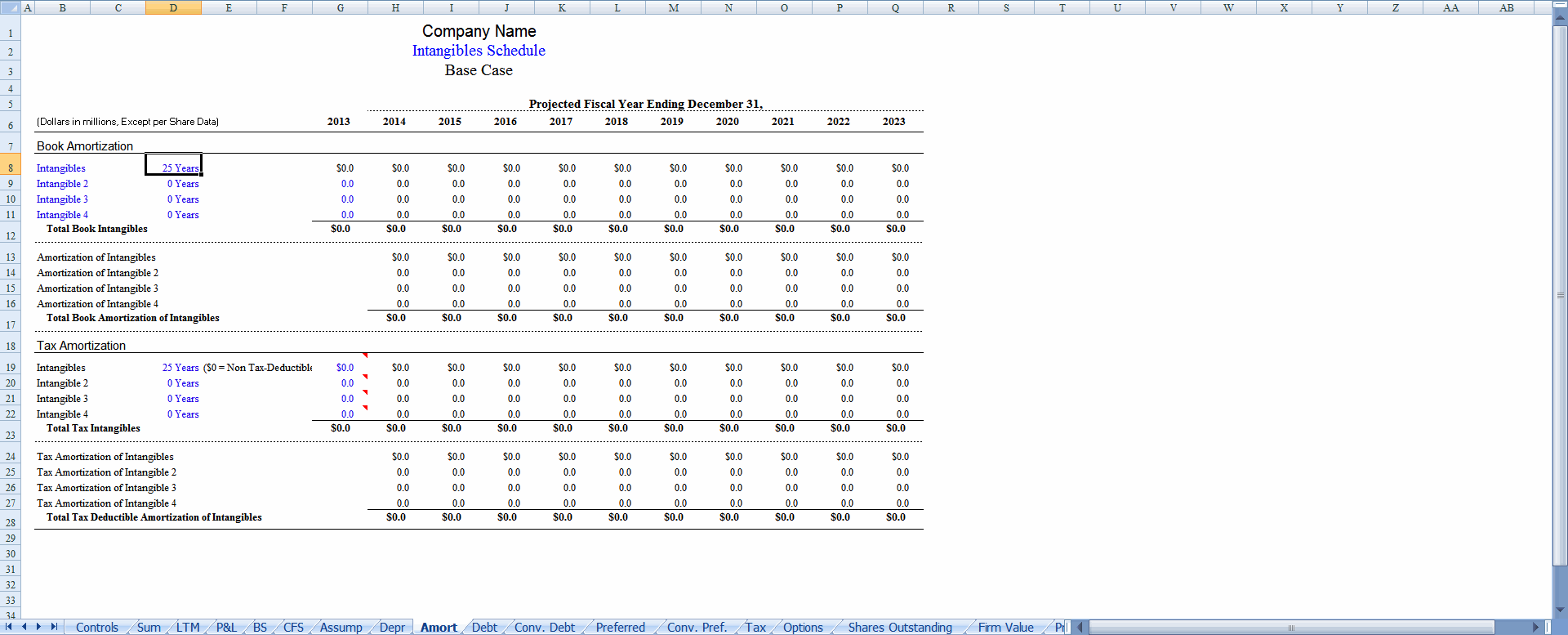
Amort
SupportingIntangible asset amortization: acquired intangibles, goodwill (30-year amortization), and deferred financing fee amortization.
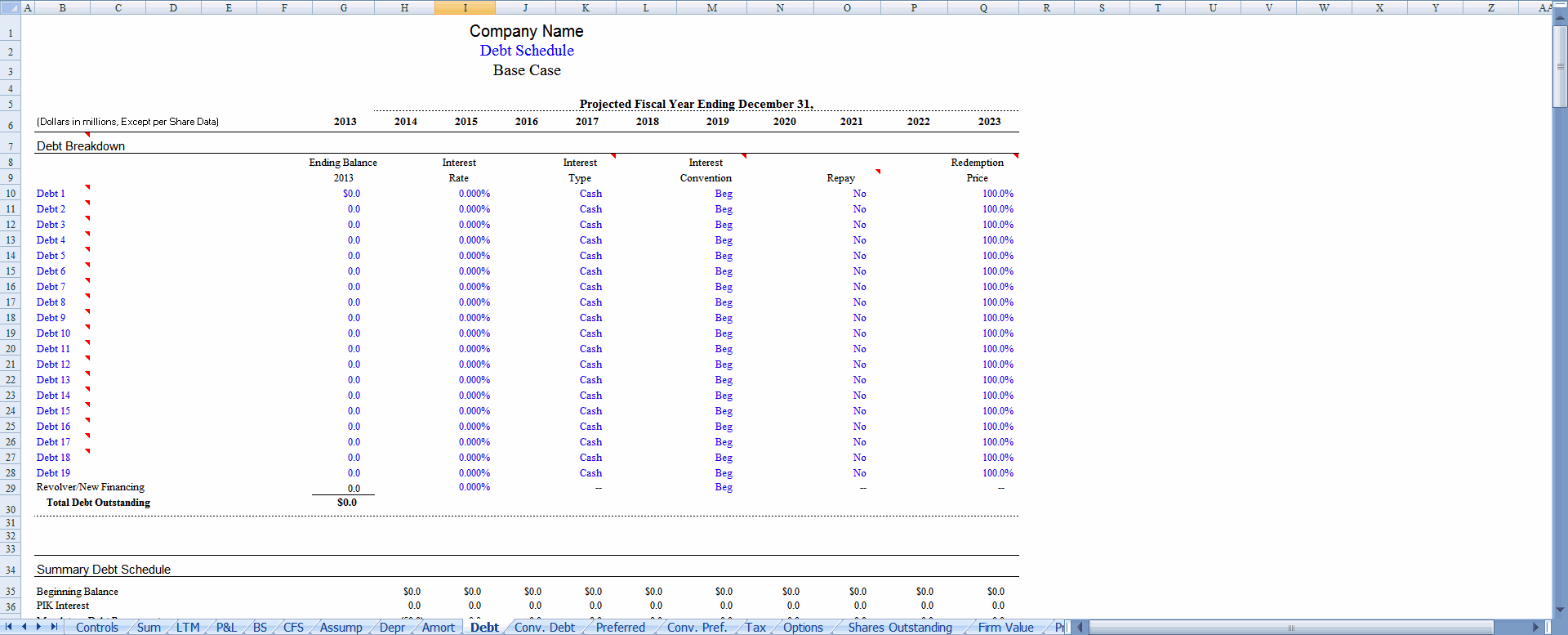
Debt
DebtSenior debt schedule: revolving credit facility, Term Loan A/B/C, amortization, PIK toggle, interest expense, and covenant testing.
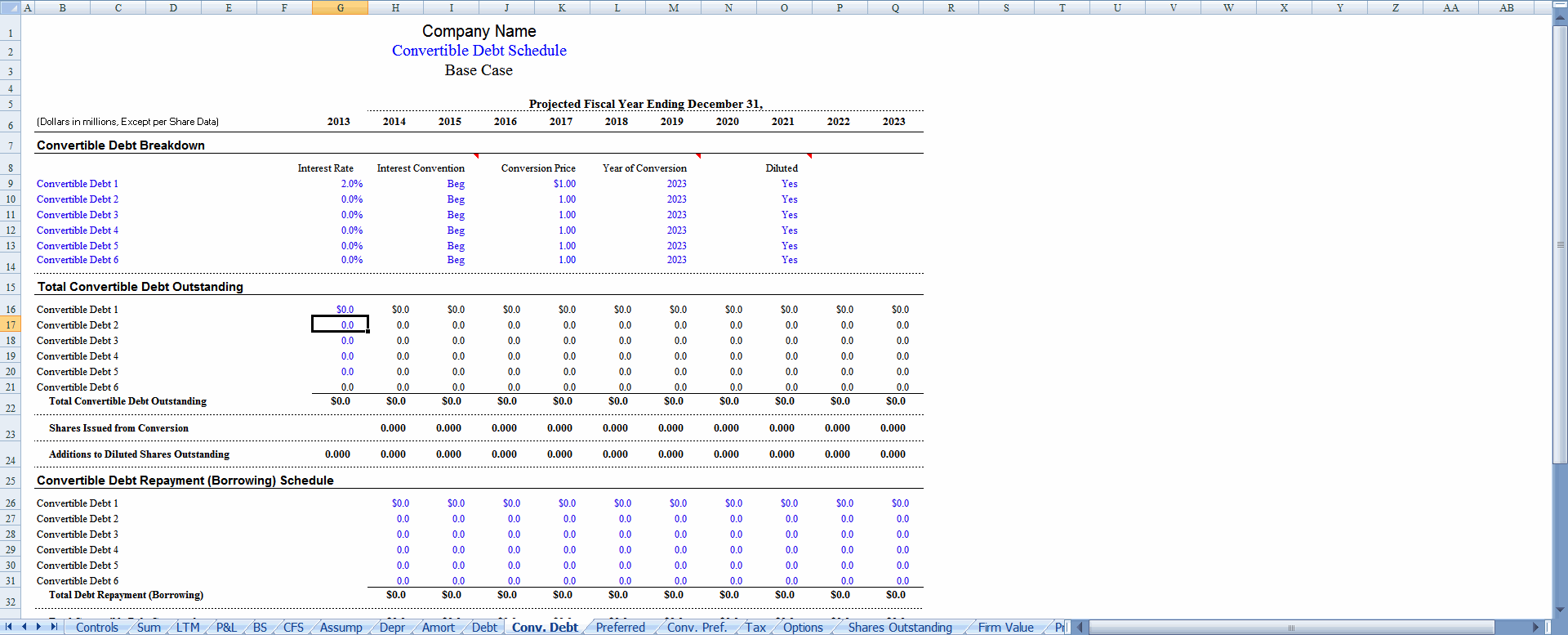
Conv. Debt
DebtConvertible note schedule: principal, coupon rate, conversion price, premium to current price, and dilution impact on share count.
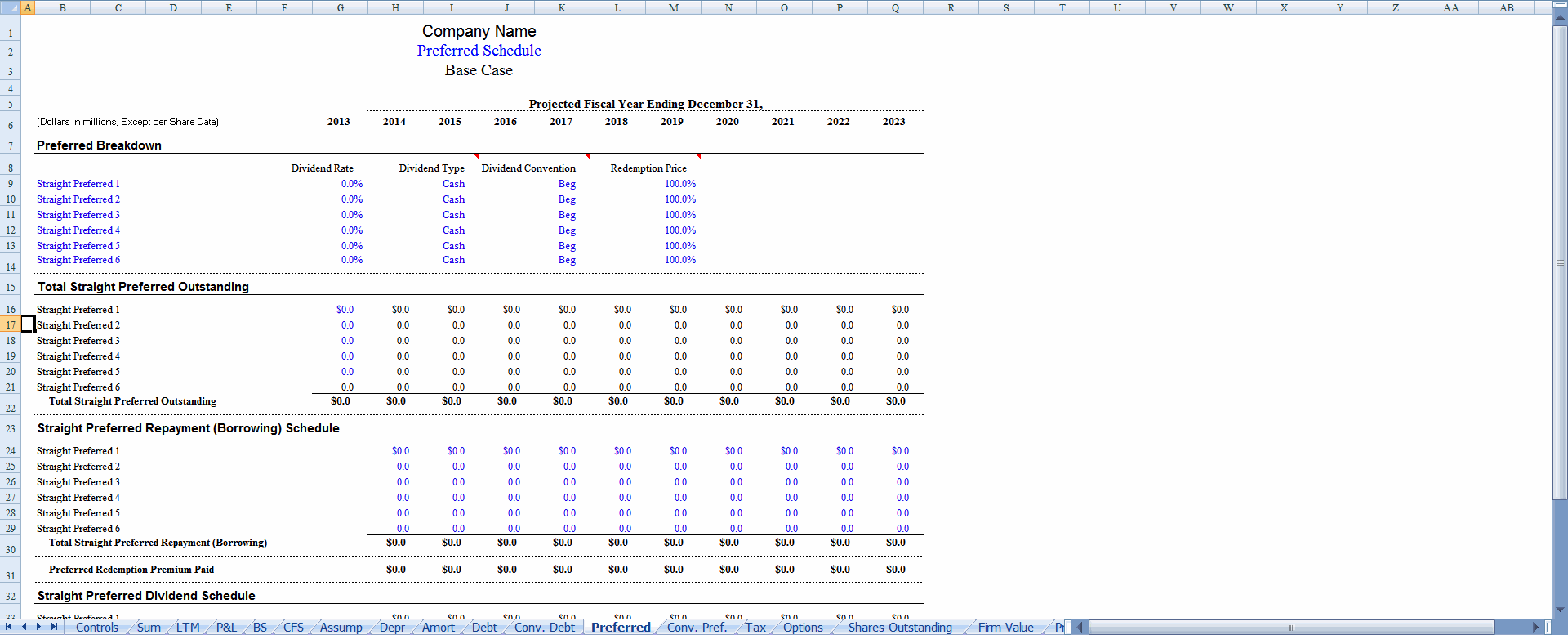
Preferred
EquityPreferred equity schedule: liquidation preference, cash and PIK dividend options, cumulative balance, and conversion features.
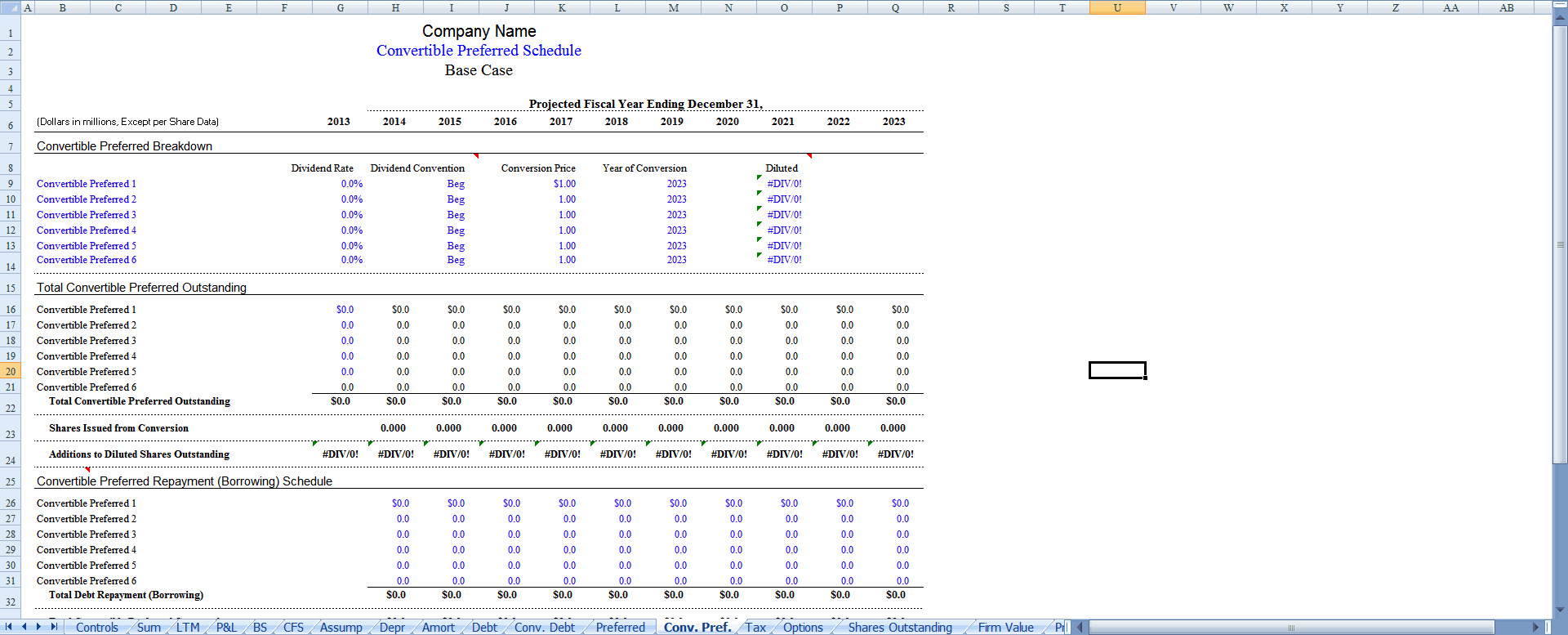
Conv. Pref.
EquityConvertible preferred: conversion ratio, anti-dilution provisions, PIK period terms, and liquidation waterfall stack.
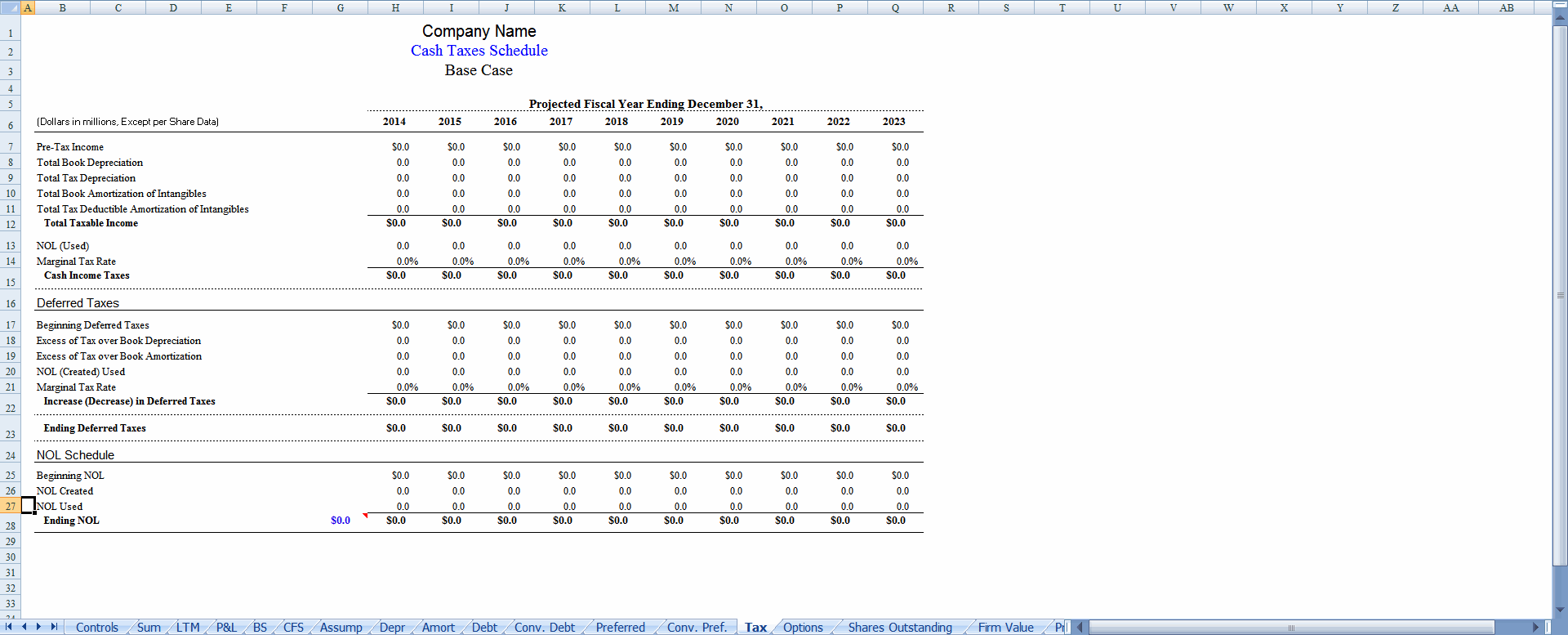
Tax
SupportingTax schedule: deferred tax assets/liabilities build-up, NOL carryforward tracking, and marginal vs. effective rate reconciliation.
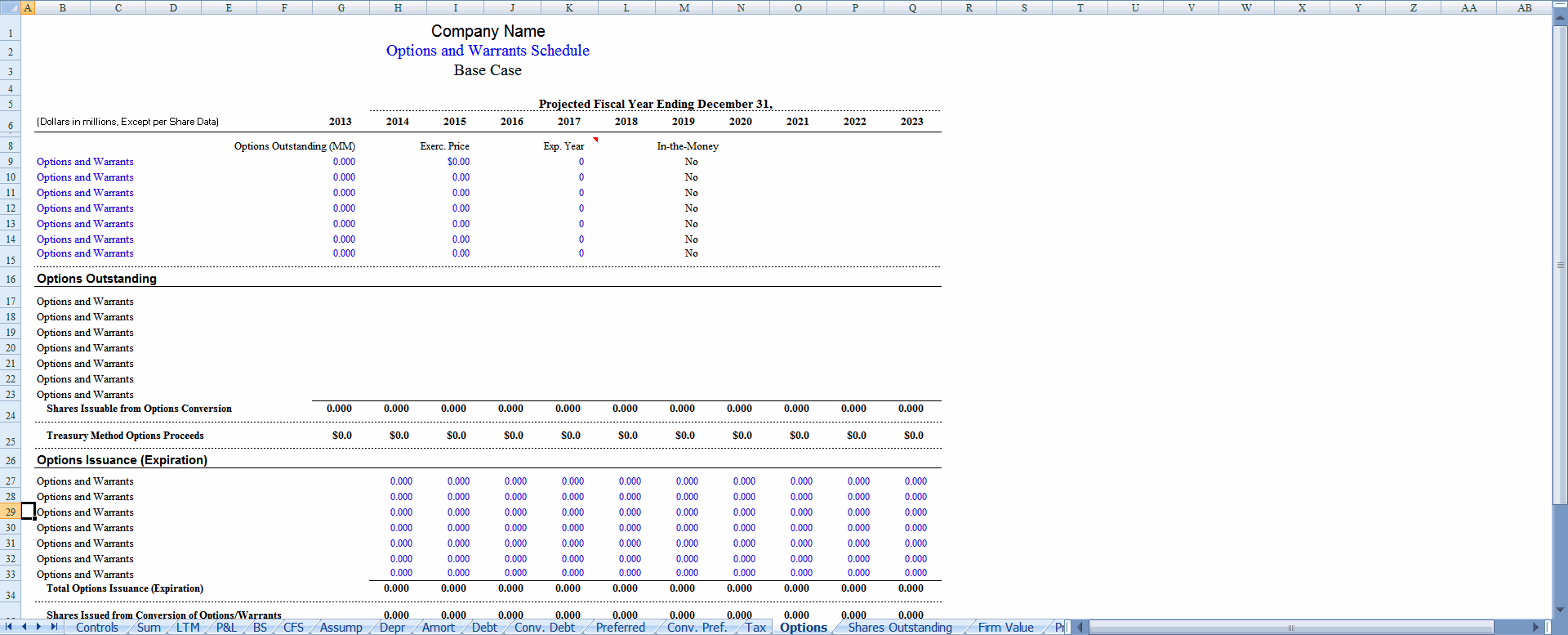
Options
EquityStock option schedule: Black-Scholes valuation inputs, treasury stock method dilution, and per-share impact on equity value.
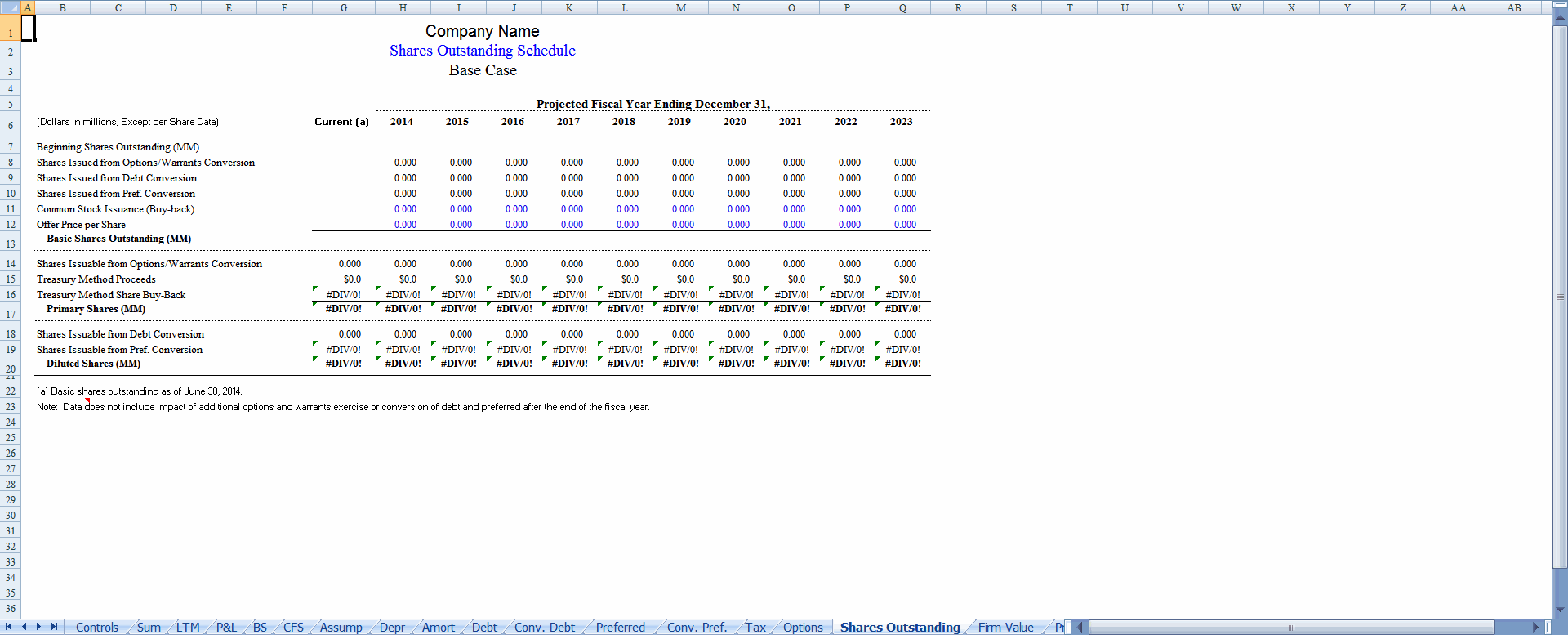
Shares Outstanding
EquityFully-diluted share count: basic shares, in-the-money options, warrants, convertible securities, and unvested RSUs.
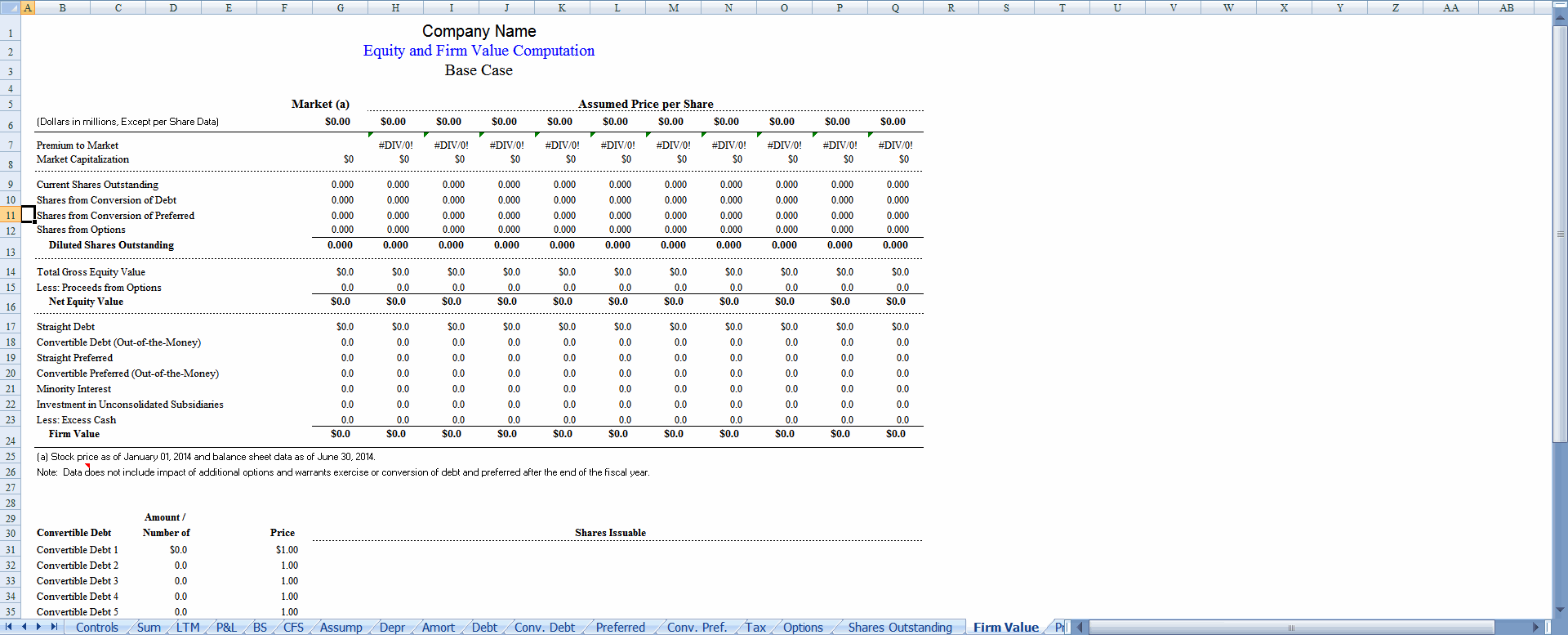
Firm Value
ValuationEnterprise value bridge: EBITDA multiple → EV → less net debt, minority interest, preferred → equity value → implied share price.
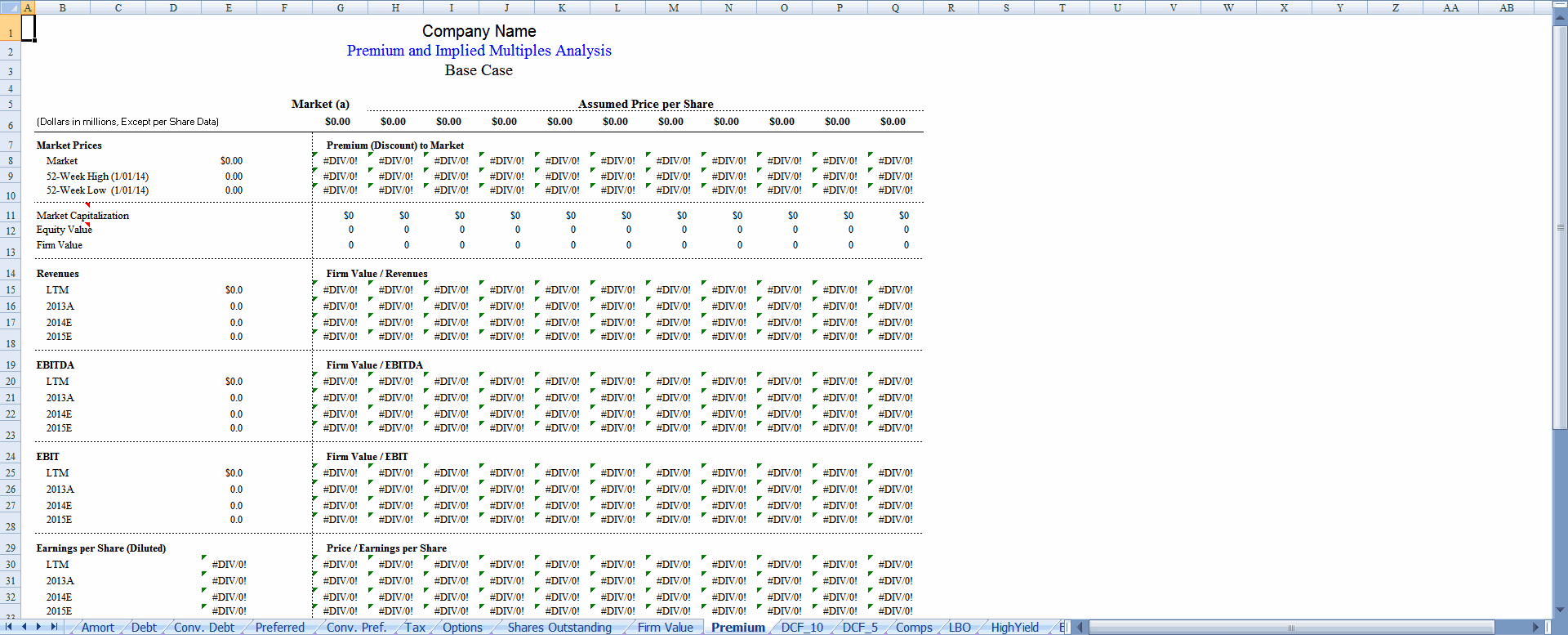
Premium
ValuationAcquisition premium analysis: 52-week high/low range, consensus analyst price targets, and % premium to current share price.
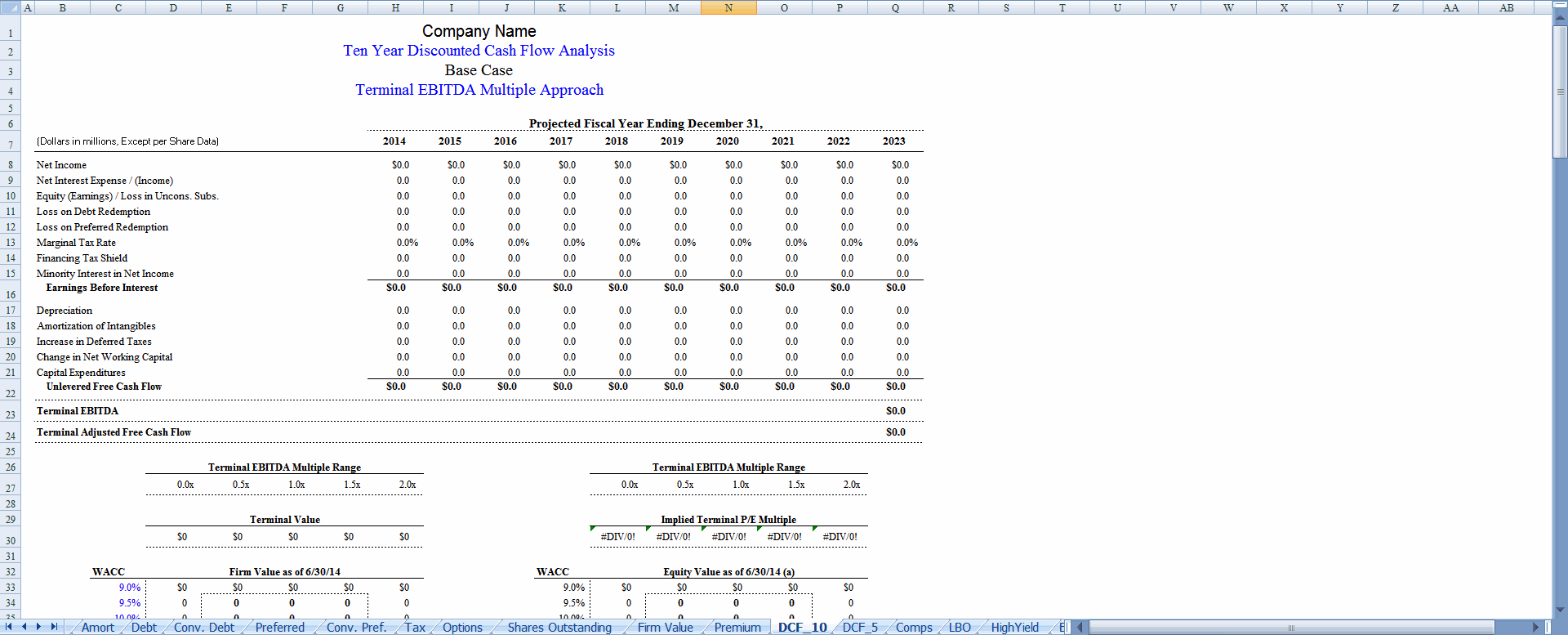
DCF_10
Valuation10-year unlevered DCF: Net Income → +Interest → +D&A → −CapEx → Unlevered FCF, WACC, terminal EBITDA multiple, and dual 5×5 sensitivity tables (Firm Value + Equity Value).
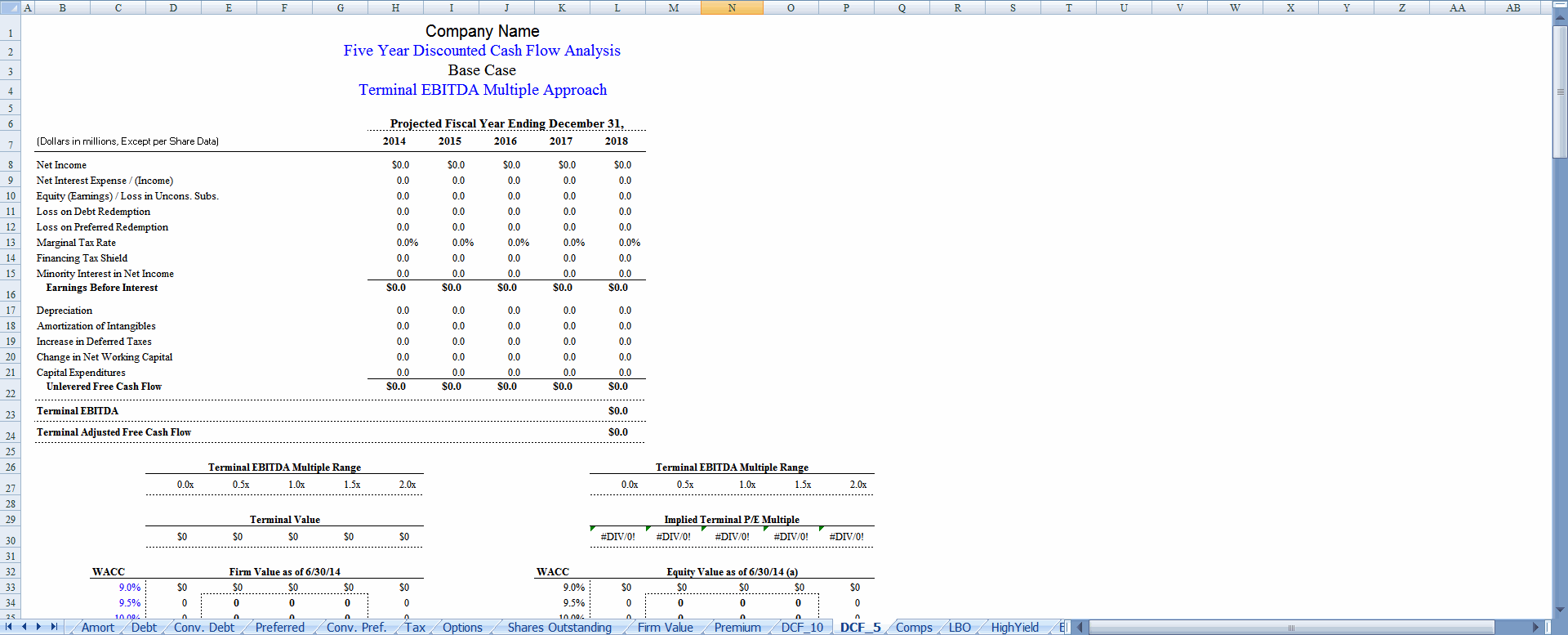
DCF_5
Valuation5-year DCF with independent WACC assumption set. Shorter-horizon model suited for high-growth or cyclical businesses.
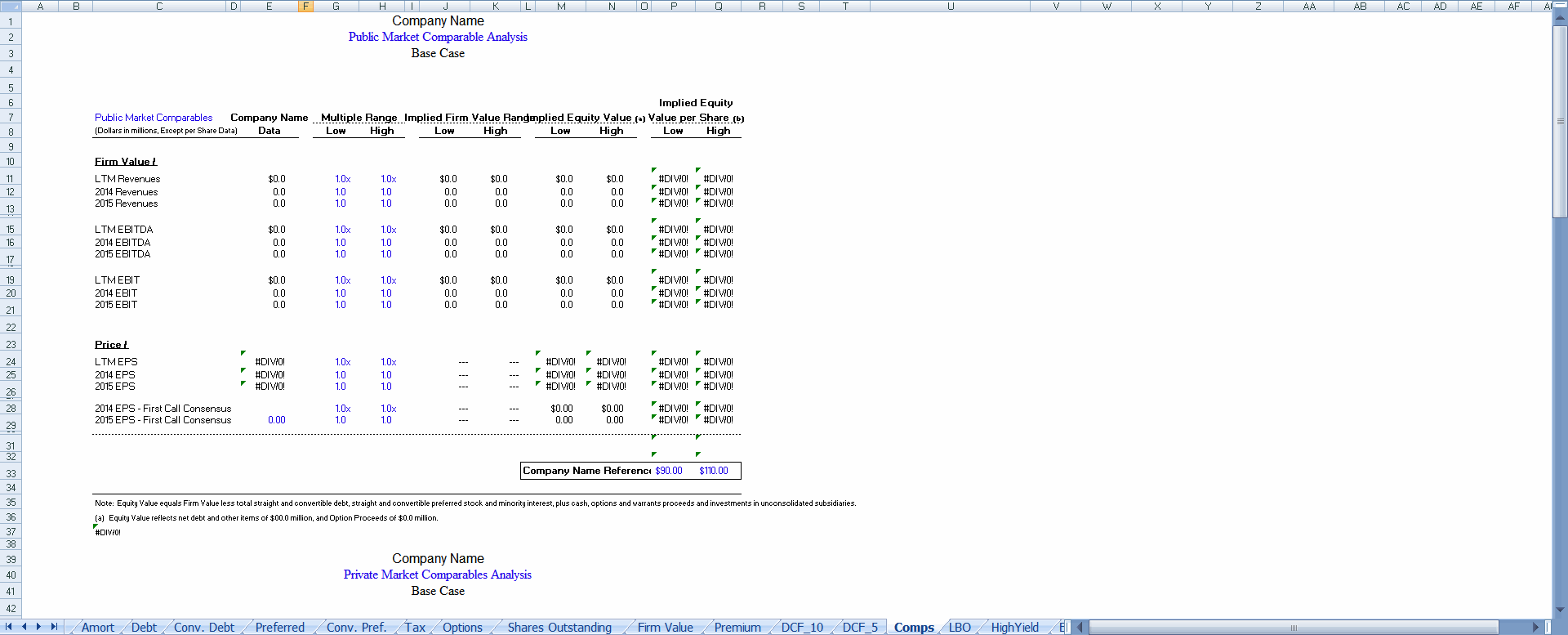
Comps
ValuationPublic company trading comps: EV/EBITDA, EV/Revenue, EV/EBIT, P/E, and NTM multiples across a fully customizable peer set.
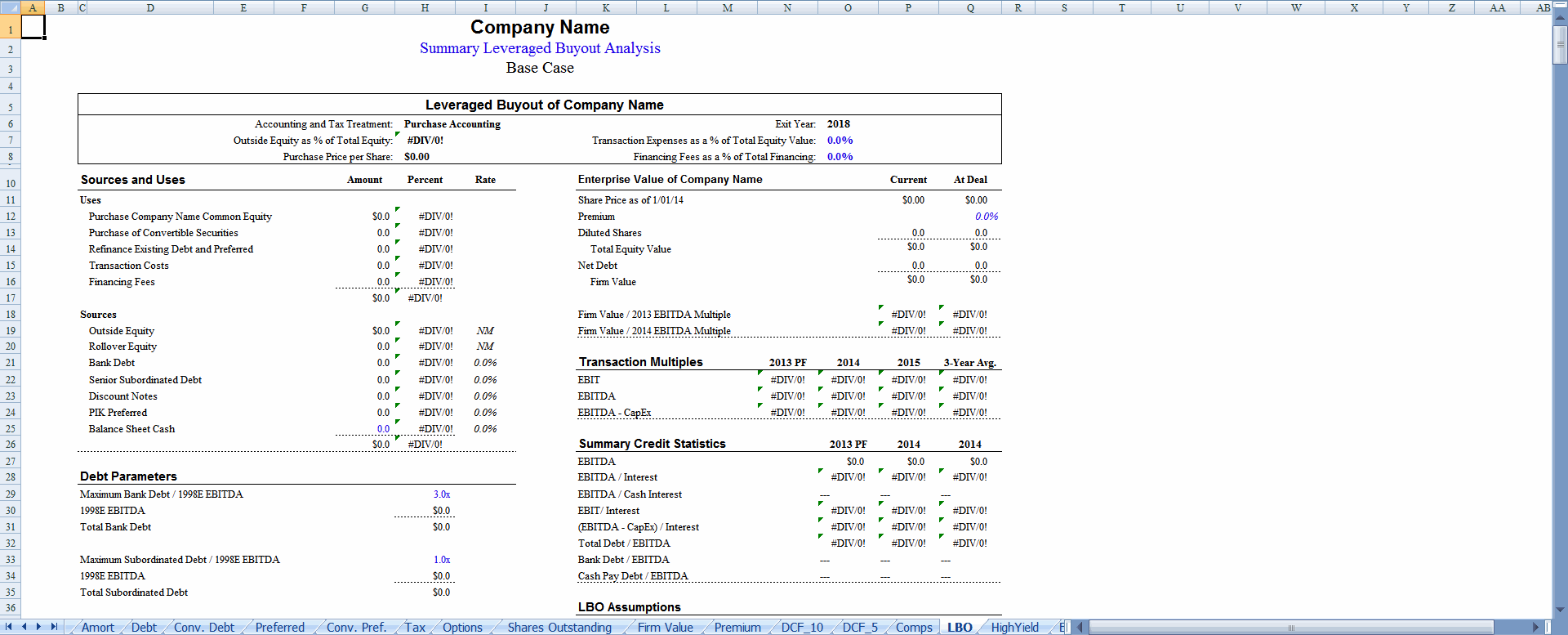
LBO
ValuationFull LBO model: 7-tranche sources & uses (Bank Debt, Sr. Sub, Discount Notes, PIK Preferred, Outside/Rollover Equity), EV bridge, transaction multiples (EV/EBITDA, EV/EBIT, EV/EBITDA−CapEx), and summary credit statistics.
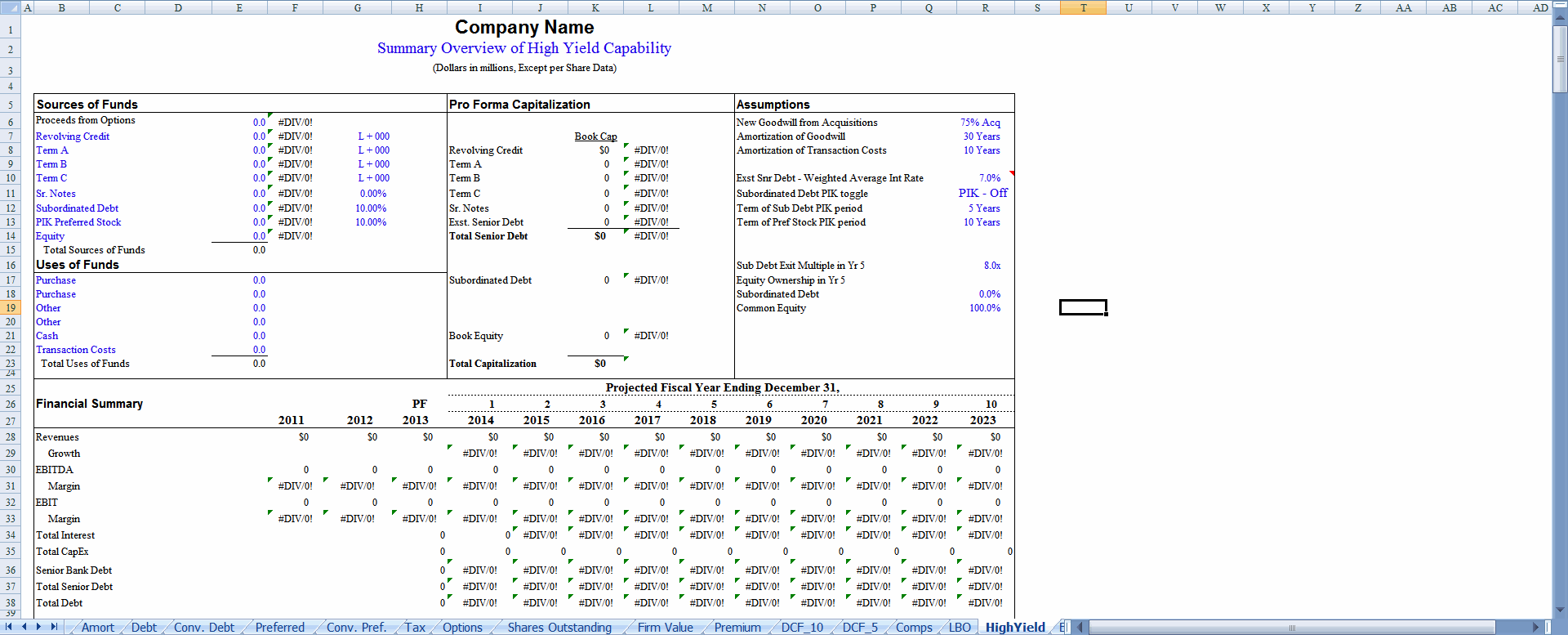
HighYield
DebtComprehensive HY analysis: multi-tranche debt structure (Revolver + TLA/B/C + Sr. Notes + Sub Debt + PIK Preferred), pro forma capitalization, PIK toggle, sub debt exit multiple, and 10-year financial summary with debt paydown.
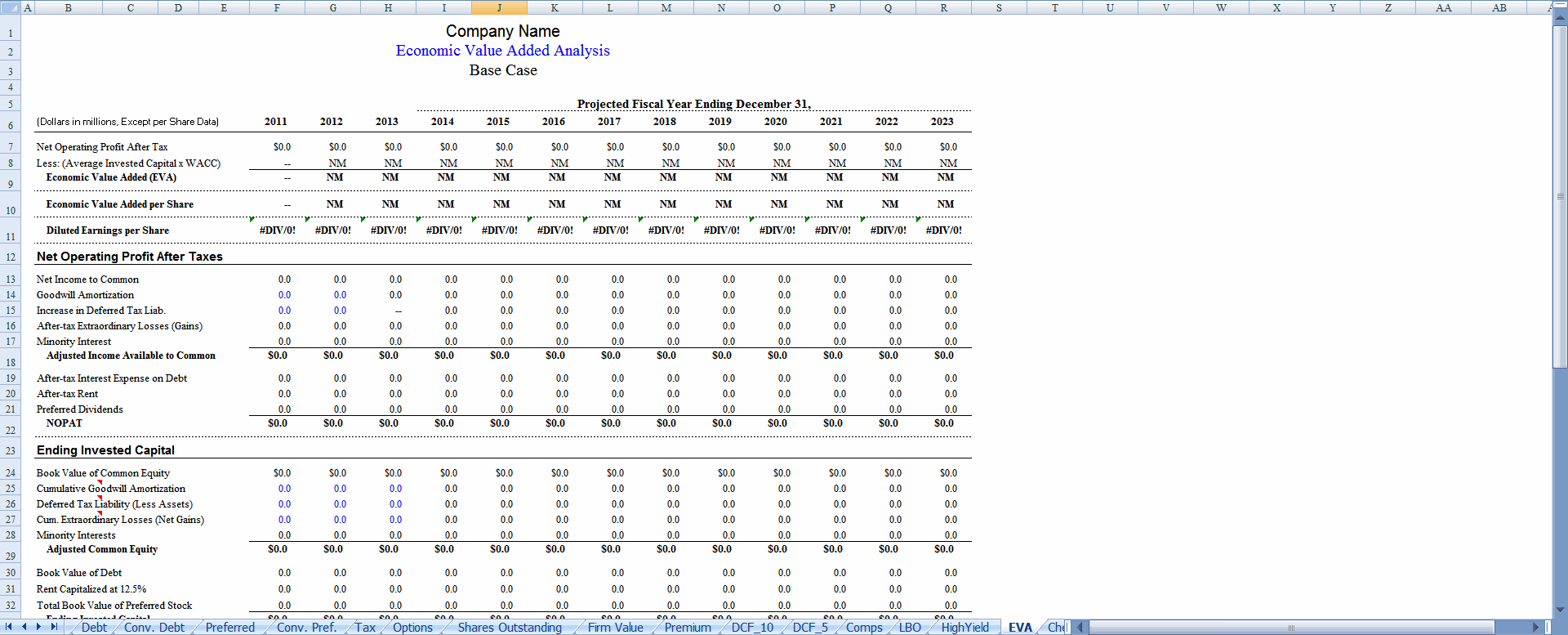
EVA
ValuationEconomic Value Added: NOPAT build-up (Net Income + After-tax Interest + Rent), ending invested capital rollforward (book equity + debt + capitalized rent), and EVA = NOPAT − (Avg. Capital × WACC) with per-share output.
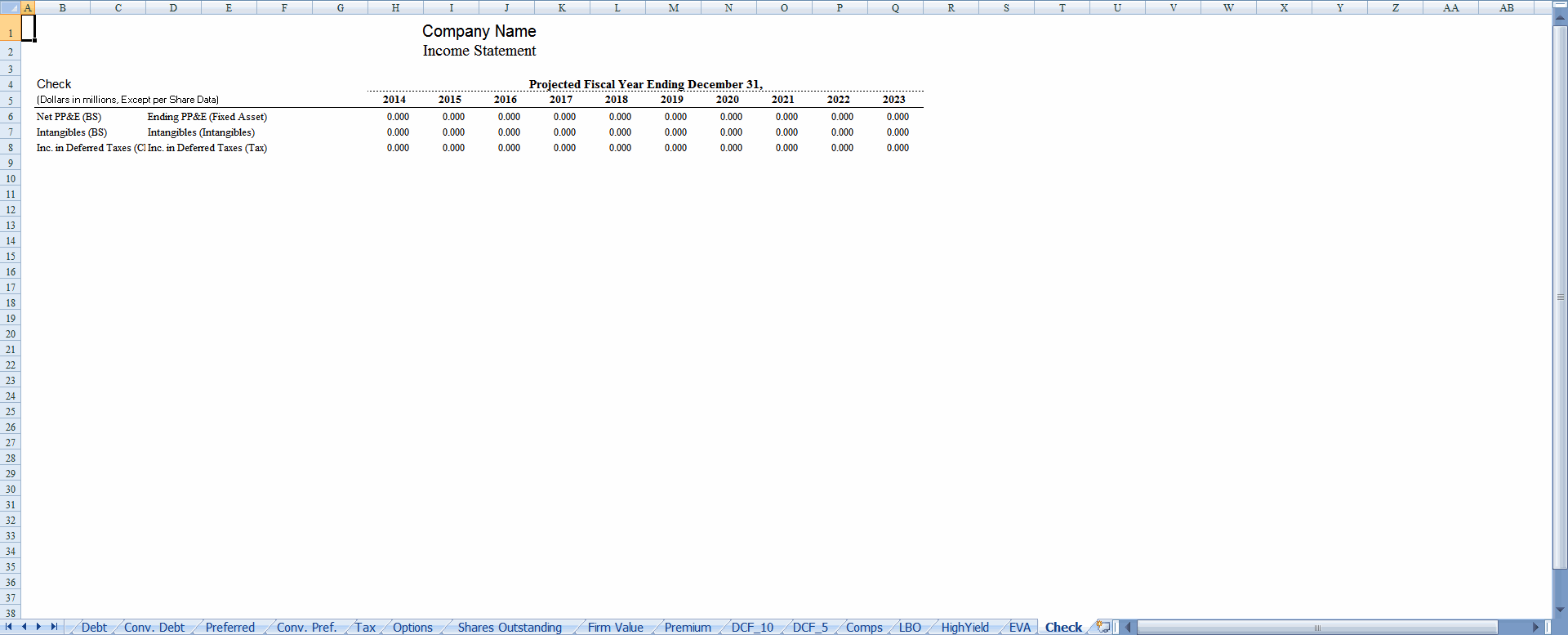
Check
SetupModel integrity dashboard: balance sheet balance check, cash flow statement reconciliation, and circular reference diagnostics with pass/fail flags.